
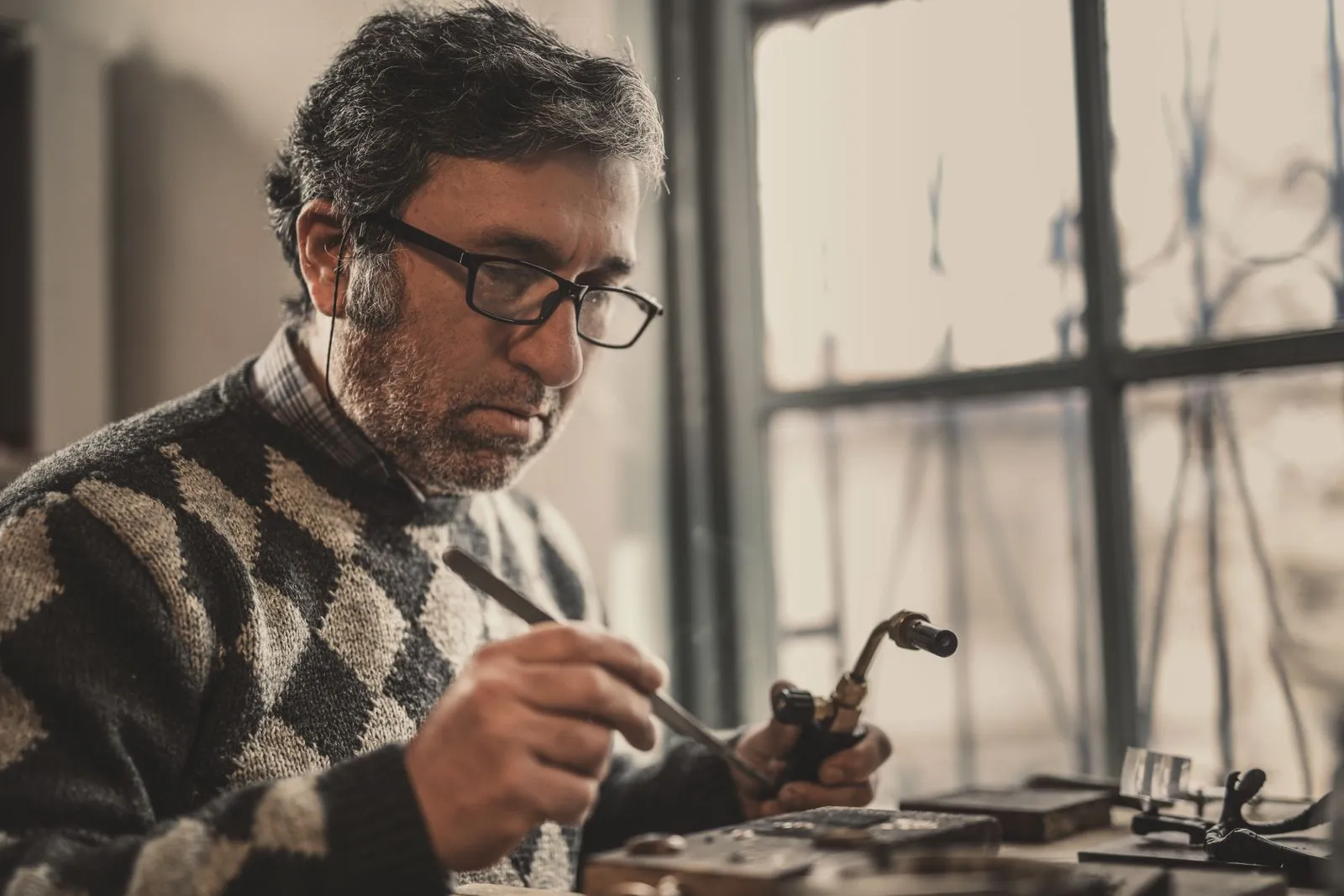
A favorite piece can show wear long before it breaks. A loose stone, clasp that will not stay shut, or chain that catches on clothing may signal a problem worth addressing. Spotting these changes early can help prevent a small issue from becoming a lost stone or a broken piece. Before arranging a repair, take note of what you see, how you wear the item, and what matters most to you about keeping it.
Look for signs of wear
Check prongs and settings for movement. If a stone shifts when you gently touch it, or a prong looks bent, stop wearing the piece until a jeweler can assess it. Avoid pressing or trying to tighten the setting yourself; that can loosen the stone further or damage the metal.
Inspect chains and bracelets for kinks, stretched links, or thin spots, especially near the clasp. Check earrings for bent posts, loose backs, or settings that no longer sit securely. A clasp that opens unexpectedly, a ring that catches on fabric, or a new gap in a setting deserves attention even if the piece still looks wearable.
Notice changes in fit and finish
A ring that suddenly feels loose or tight may need attention, but fit can also change with temperature and other everyday factors. Try it at a few different times before requesting a size adjustment. If the band is visibly bent, cracked, or unusually thin, mention that when you bring it in; resizing may not be the only repair to consider.
Look for rough edges, worn plating, scratches, or discoloration. Surface wear may be cosmetic, while a sharp edge or deep crack can affect comfort or durability. Take clear photos in good light and note when you first noticed the change. Photos can help explain the issue, but an in-person inspection is needed to assess the piece properly.
Protect the piece before repair
If you suspect damage, set the jewelry aside in a small, labeled container rather than wearing it or carrying it loose in a bag. Keep each piece separate to avoid scratches and tangles. Do not use glue, household cleaners, or tools on a loose setting or broken link; these can complicate a repair or harm some materials.
For a piece with a loose stone, avoid shaking it to test the setting. If the stone comes out, store it separately in a secure container and bring it with the jewelry. Share any known details about the stone or piece, such as a past repair, sentimental significance, or materials you believe were used.
Discuss the repair beforehand
Describe the problem and ask what needs repair, what options are available, and whether the proposed work could change the piece’s appearance or fit. Ask how the jeweler will handle delicate details, matching materials, or stones that may be vulnerable during the work. If you have a preferred outcome, such as preserving the original finish, explain that before work begins.
Before leaving the jewelry, confirm the expected timeline, the cost estimate, and whether the shop will contact you if the scope changes. Ask how the piece will be documented and cared for while it is there. For heirlooms or items with personal value, point out existing marks or damage together so you share a clear understanding of the piece’s condition.
A quick inspection and a clear conversation can help you address jewelry damage before it leads to a more serious problem. Set aside pieces with loose stones, failing clasps, or visible structural damage, and bring your questions to a jeweler. North Loop Jewelry in Minneapolis can help you discuss repair options for a favorite piece.